Why Small Towns Are the New Hiking Hot Spots
Big national parks are amazing. But they can also mean lines that stretch for blocks, parking lots full to bursting and trails teeming with hundreds of people.
Small towns are different.
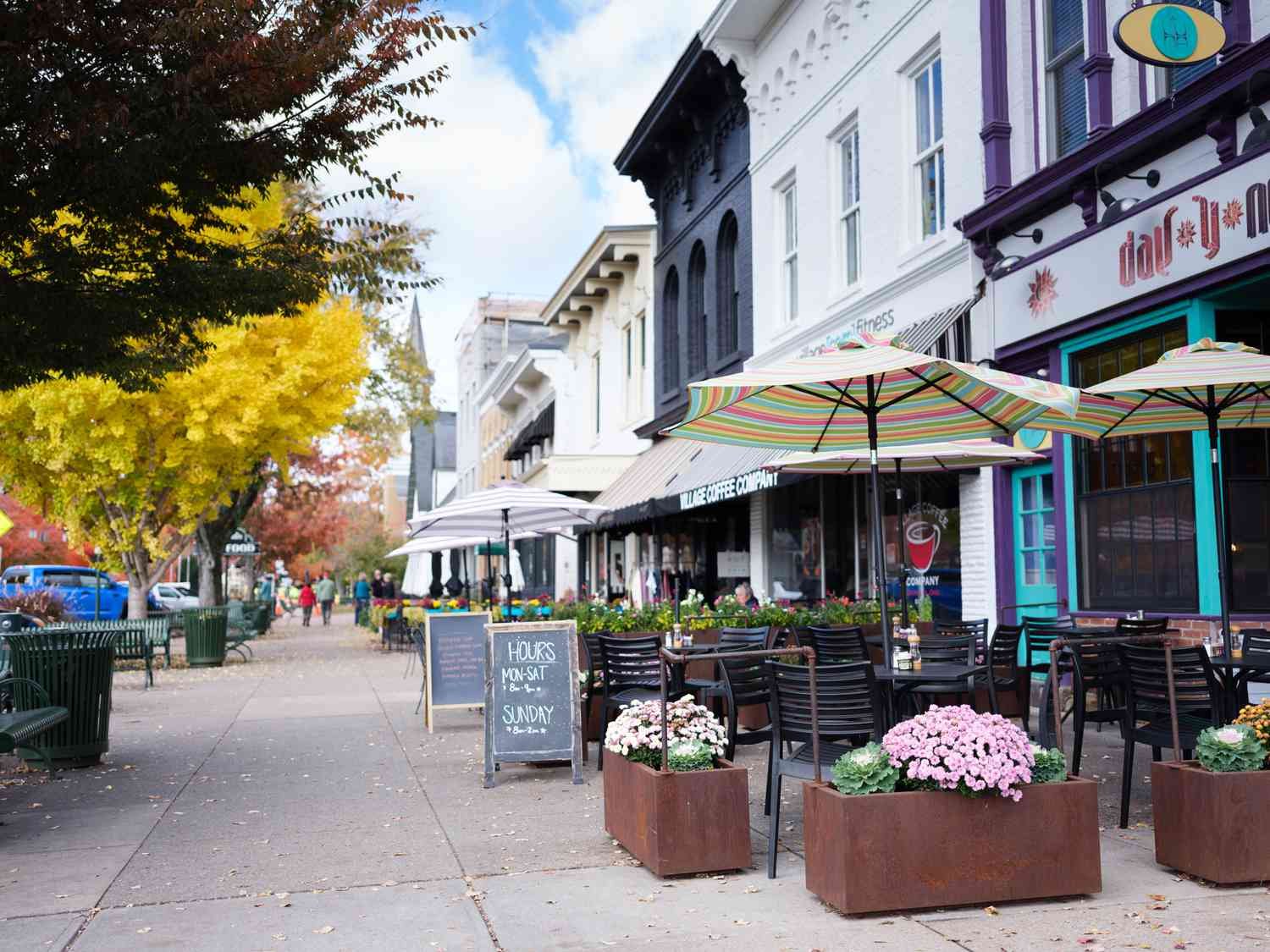
They lie in close proximity to nature. They have trails that feel personal. They come with local coffee shops, friendly faces and a life pace that allows you to actually breathe.
Each year, more hikers are discovering this secret. A sleepy mountain town with a trailhead two blocks from Main Street? That’s a gift.
These few discoveries are far more than just a bunch of hiking. They’re about the total experience — the pre-hike breakfast in a diner, the creek you can hear from your motel window, and how the entire place smells of pine trees or desert sage.
Here are six of the very best. All are easily accessible, inviting to hikers of all abilities and rich with natural beauty waiting to be discovered. For even more inspiration, Small Town Discoveries is a great resource to find hidden gems across the country.
What Makes a Great Nature Small Town for Hiking?
Not every small town qualifies. The best of them have a few key traits in common.
They have trail access near town. You shouldn’t have to drive an hour just to go for a hike.
Their trails are of various types. There should be something of value for everyone, from novices to experts.
They have a very strong sense of place. The town needs to feel tethered to its natural environment, not as if it just happened to sit next door.
Here’s a quick rundown of what to watch for:
| Feature | Why It Matters |
|---|---|
| Proximity to trailhead | Less driving, more hiking |
| Trail difficulties | Hiking for all levels of fitness |
| Natural scenery types | Waterfalls, canyons, forests, meadows |
| Town amenities | Gear shops, cafes and lodging |
| Best seasons | Helps plan your visit |
| Wildlife or plants | Adds depth to the experience |
Remember these things as you read about each town below.
1. Brevard, N.C. — Where Waterfalls Are Everywhere
Brevard is located in the Blue Ridge Mountains of western North Carolina. It is small, picturesque and set in one of the most waterfall-abundant regions in the whole eastern United States.
The Trails Around Brevard
Pisgah National Forest encircles Brevard on almost every side. Within this forest is more than 250 waterfalls that are a short drive or hike from town.
Some favorites include:
Looking Glass Falls — A broad, thunderous waterfall that plunges 60 feet. It can be seen from the road, but a short path descends to the base for a full view.
Sliding Rock — A natural 60-foot waterslide, worn into rock by a stream. It has thousands of gallons of cool water rushing over it every minute. Kids and adults both love it.
Moore Cove Falls — A more tranquil walk through rhododendron tunnels. The waterfall tucks behind a ledge, allowing you to walk behind it.
What Hikers Love About Brevard
The town itself has a small, artsy downtown with bakeries, outdoor gear shops and murals on brick walls. There is even a colony of rare albino squirrels here. Locals are proud of them.
The best times of the year to visit are spring and fall. Spring features full waterfalls, courtesy of snowmelt and rain. Autumn dresses every trail in orange and red and gold.
Difficulty level: Mostly easy to moderate. Some of the trails are steep, but most are manageable.
Best for: Families, waterfall lovers, those who enjoy lush green scenery.
2. Moab, Utah — Red Rock Country Like No Other
Moab sits in southeastern Utah between two of America’s most famous national parks — Arches and Canyonlands. Which alone makes it one of the most spectacular nature small town discoveries on any hiker’s hit list.
Trails That Will Take Your Breath Away
The terrain surrounding Moab is simply not found in the eastern United States. Lofty red sandstone cliffs, arches hollowed by centuries of wind and water and canyon floors that seem like an alien place.
Delicate Arch Trail — This is the quintessential hike in the area. A 3-mile round trip, it leads to the most photographed feature in Utah. The last segment scrambles up a slickrock slope with steep drop-offs on one side. Not for the acrophobic, but the view is so worth it.
Corona Arch Trail — A shorter hike to a giant natural arch. Only about 3 miles, and much less trafficked than Delicate Arch.
Hunter Canyon — A slot canyon hike through a narrow wash. You may spot ancient cottonwood trees and perhaps even a great blue heron standing in the shallow stream.
The Moab Vibe
Moab is a special blend of extremity and small-town warmth. You’ll also find mountain bikers, jeep tours and rafting companies rubbing shoulders with local diners and craft breweries.
The town knows how to greet outdoor folk.
| Trail Name | Distance | Difficulty | Highlight |
|---|---|---|---|
| Delicate Arch | 3 mi | Moderate | Iconic sandstone arch |
| Corona Arch | 3 mi | Easy-Moderate | Massive natural arch |
| Hunter Canyon | 5 mi | Easy | Slot canyon and wildlife |
| Portal Trail | 3.7 mi | Hard | Cliff-edge views |
Ideal time of year: Spring (March–May) and autumn (September–November). Summer heat can be extreme.
3. Leavenworth, Wash. — Alpine Allure in a Bavarian Town
This one surprises people. Leavenworth is a small Washington state town that resembles a Bavarian village from Germany — with timber-framed buildings, window boxes full of flowers and music by accordionists in the streets.
But behind the charming facade? Serious hiking country.
Hiking Into the Cascades
Leavenworth is located on the edge of Wenatchee National Forest and the Stuart Range. The hiking options are world-class.
Icicle Creek Canyon — Easy walk along a clear creek. The trail runs between ponderosa pines and rock walls. Ideal for a relaxed morning walk.
Colchuck Lake Trail — A more strenuous hike that ascends into alpine terrain. The payoff: a breathtaking turquoise lake nestled beneath Dragontail Peak. In some cases there is still snow, even in summer.
Snow Lake Trail — One of the most popular hikes in the entire Cascade Range. Approximately 7 miles round trip, with a steady ascent to a high alpine lake.
Why Leavenworth Stands Out
It’s hard to beat the mix of natural beauty and small-town character here. After hiking, you can stroll back into “the village” for bratwurst, apple strudel and craft beer.
The Wenatchee River also flows through the town, offering kayaking and fishing if you need a break from the trails.
Peak season: Late spring to early fall. A lot of the high trails are snowed in until June or July.
Best for: Hikers who want great food and an unusual, cultural place to hike.
How These Towns Stack Up: A Quick Comparison
Before diving into the next three towns, here’s a guide to help narrow down which small town nature discovery might be best for you.
V
visualize
V
visualize show_widget
https://2023a887d809dd946cd494162a5efce2.claudemcpcontent.com/mcp_apps?connect-src=https%3A%2F%2Fesm.sh+https%3A%2F%2Fcdnjs.cloudflare.com&resource-src=https%3A%2F%2Fesm.sh+https%3A%2F%2Fcdnjs.cloudflare.com+https%3A%2F%2Fcdn.jsdelivr.net+https%3A%2F%2Funpkg.com+https%3A%2F%2Fassets.claude.ai&dev=true
Scores reflect access to trails, beginner opportunities and town character. Out of 10.
4. Taos, N.M. — High Desert Trails With a Soul
Taos is one of those towns that penetrates your skin. It rests at more than 6,900 feet elevation in north-central New Mexico, surrounded by high desert and towering mountains and one of the most photogenic gorges in the American Southwest.
The Trails Around Taos
Rio Grande Gorge Trail — Stroll to the rim of a gorge that plunges 800 feet straight down. The Rio Grande snakes far down below. The trail hugs the rim, providing mile after mile of open-sky views.
Wheeler Peak — New Mexico’s highest point, at 13,161 feet. The experience is a long day of trekking, but for the seasoned hiker there are beautiful panoramic views all around.
Devisadero Loop — A relatively short, easy trail on the outskirts of town. It offers sweeping views of the Taos Valley without too much effort. Perfect for a morning warm-up.
What Makes Taos Special
Taos has been an arts community for more than a century. Georgia O’Keeffe, Ansel Adams and D.H. Lawrence all passed through here. That spirit of creativity is still present.
The centerpiece of the Taos area is the Taos Pueblo, a Native American community whose adobe buildings have been continuously inhabited for more than 1,000 years, and which lends deep cultural significance to everything around it.
You can shop for adobe galleries, eat green chile stew and watch the sunset wash the desert mountains purple and gold after you hike.
Best seasons: May through October. Winter means the ski season at Taos Ski Valley, but it’s also excellent for snowshoe hiking.
Best for: Culture seekers who also enjoy serious outdoor discovery.
5. Stowe, Vt. — Green Mountains and Covered Bridges
Stowe is one of America’s most classically beautiful small towns. Tucked away in the Green Mountains of northern Vermont, it has a white church steeple, boutique inns, syrup shacks and — just outside its door — some downright good hiking.
Trails You’ll Want to Return To
Mount Mansfield — The highest peak in Vermont. Several trails lead to the summit, and on clear days the views extend into Canada. The walk along the ridge of the mountain “chin” is memorable.
Stowe Recreation Path — A 5.3-mile paved path that weaves through meadows, over covered bridges and along the West Branch River. It is well-suited for easy hikes, bike rides and casual wandering.
Wiessner Woods — A quiet nature preserve minutes from downtown. The trails here are tranquil, forested and host interesting bird species and wildflowers.
The Stowe Experience
Stowe is a four-season destination. The entire region becomes a postcard with fall foliage. In winter, snow-covered trails are ideal for snowshoeing. Spring opens muddy and glorious mountain trails. Summer is lush and warm.
The town itself is also walkable and friendly. The after-hike part of the day is truly enjoyable with farm-to-table restaurants, local cheese shops and craft breweries.
| Season | What to Expect |
|---|---|
| Spring | A cascade of wildflowers, muddy trails, waterfalls surging |
| Summer | Green meadows, long hours of daylight, fields of wildflowers in bloom |
| Fall | Beautiful foliage and crisp air; incredible conditions for photography |
| Winter | Snowshoeing, cross-country skiing and cozy inns |
Best for: Families, foliage fans and the classic New England hiking experience.
6. Sedona, Arizona — Red Rocks, Paths to Heaven, and Desert Mysticism
Of all six nature small town discoveries, Sedona is likely the most visually dramatic. Its red rock formations jut hundreds of feet up into a sky the color of magic markers. Walkers come from all over the world to walk here.
The Trails of Sedona
Bell Rock Pathway — One of Arizona’s most popular hiking trails. An unchallenging, circuitous trail that runs around the base of Bell Rock, a giant red stone butte. Sunrise and sunset here truly is breathtaking.
Cathedral Rock Trail — A short but steep scramble at Cathedral Rock. The vantage from the top is one of Arizona’s more photographed. The last mile requires some hands-and-feet scrambling.
West Fork of Oak Creek — An entirely different Sedona. This canyon hike follows a creek through lush vegetation, with red canyon walls lifting hundreds of feet on each side. You will go back and forth over the stream several times. Wear waterproof shoes.
Boynton Canyon Trail — One of the famous “vortex” hikes in Sedona. Many visitors say the energy here is different — calming, or electrically charged, depending on whom you ask. And even if you don’t believe, the canyon is breathtaking.
What Else to Know About Sedona
Sedona has an airport, but most visitors fly into Phoenix — the city is about two hours north of there by car.
Sedona is more developed than the other towns on this list. It also has more shops and restaurants, and some trails can be crowded. But even during high season, early morning hikers often have the trails mostly to themselves.
The golden hour light is incredible. If you can be on the trails for sunrise or just before sunset, it will be clear why photographers come thousands of miles to visit.
Best seasons: Spring and fall. Summer can be hot (over 100 degrees Fahrenheit), but evenings cool off quickly.
Planning a Short Hiking Trip in Small Towns
The best part about nature small town discoveries is you don’t have to pack like you are summiting Everest. But you do need a few things.
Here is a simple packing list to get you started:
- Durable hiking shoes or trail runners — Even smooth paths can feature uneven ground
- Water bottle or hydration pack — Dehydration creeps up on you, especially in desert towns
- Sunscreen and sunglasses — This is a must in Moab, Taos and Sedona
- Layers — Mountain towns such as Stowe and Leavenworth do see a significant drop in temperatures
- Trail map or downloaded GPS app — The shortest trails can lead to confusion at forks
- Snacks — Protein bars, trail mix or anything that carries you through
- Small first-aid kit — Band-aids and blister pads can make or break a hike
Most small towns have gear shops where you can buy forgotten items. But being prepared ahead of time means more time on the trail and less time scavenging for supplies.
How to Make the Most of Small Town Nature Walks
These little things can make a big difference in how much you enjoy your trip.
Start early. The trailheads at popular destinations fill in by mid-morning. Coming at sunrise means cooler temps, gentler light and silent trails.
Talk to locals. Owners of diners and gas stations and workers in gear shops often know trail secrets that no guidebook possesses. Ask what their favorites are.
Eat locally. Skip the chain restaurants. Every one of the towns on this list has tiny restaurants serving food connected to the region. Green chile in Taos. Maple syrup everything in Stowe. Fresh trout in Brevard.
Take it slow. The point of a small town is to not rush through it. You’ll want time to sit by a creek, read on a bench in the town square or watch the sun set over the mountains.
Respect the environment. Stay on marked trails. Pack out all trash. Do not pick wildflowers or disturb wildlife. These places are beautiful because people before you treated them well.
FAQs About Nature Small Town Discoveries for Hiking
What is the easiest nature small town for beginners? Brevard, NC and Stowe, VT are responsible for that famed and well-deserved buzz. Both have short, well-marked hikes with modest elevation changes. The towns are also exceptionally friendly and accessible.
What town is the best option for a family with young kids? Stowe and Brevard are the favorites for families. The Stowe Recreation Path is totally flat and stroller-friendly. Brevard’s waterfall trails are short and thrilling for kids.
Do I have to make a reservation for trails? No reservations are needed on most trails in these towns. But a handful of well-trodden sites — including Delicate Arch in Moab and some Sedona trailheads — can sometimes require parking passes or timed entry passes at peak season. Always check ahead.
When is the best time of year to visit these towns? Most of these destinations are best in spring and fall. Summer is good for Stowe and Brevard but can be hot in Moab, Taos and Sedona.
Are these towns ideal for solo hikers? All six towns are safe and have a reputation for hospitality toward solo trekkers. Inform someone of your plans before setting off on any trail, carry a fully charged cell phone and download offline maps, just in case.
Can I visit multiple towns in one trip? Yes, some of these towns are near each other in driving distance. Both Moab and Sedona are in the desert Southwest, making a road trip between them entirely doable. Likewise, Taos and Moab are about a five-hour drive from one another.
What if I don’t own fancy hiking equipment? You don’t need expensive gear to explore these towns. Most trails listed here require only comfortable shoes, a water bottle and basic layers. If need be, gear shops in each town can also rent or sell you items too.
Final Thoughts: Find Your Small Town
These six nature small town discoveries offer something that the largest parks on occasion cannot — a sense of home.
When you visit the waterfall near Brevard, it doesn’t matter how many Instagram followers you have. If you peer over the edge of the Rio Grande Gorge in Taos, the sights belong to just you and whoever accompanied you there.
That’s what small towns do for hikers. Real connection with real places.
You do not have to spend big money. You don’t need to be an elite athlete. All you have to do is show up, lace up your shoes, and walk.
The trails are waiting. So are the diners, the creeks, the mountain views and kind strangers who will direct you to their favorite hidden waterfall.
Pick one of these towns. Go explore it. Then come back, and pick another one.