
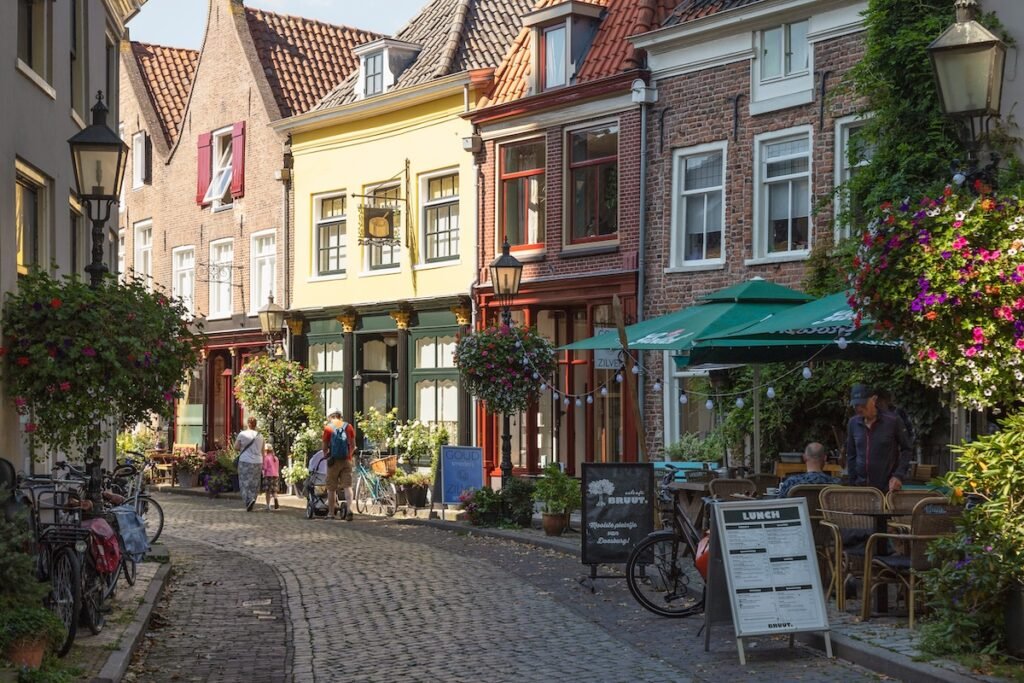
I’ve spent the better part of the last decade chasing moments of quiet away from the noise of big cities, and let me tell you, nothing beats the slow rhythm of a small town. You pull off the highway, maybe after a long drive with the radio fading in and out, and suddenly the air feels different. Cleaner. Lighter. The kind of place where people still wave from their porches and the biggest decision of the day might be whether to grab pie at the diner or sit by the river a little longer. But it’s not just any small town that delivers that deep sense of peace. Over the years, wandering through forgotten corners of America and Europe, I’ve zeroed in on eight discoveries that consistently turn an ordinary getaway into something restorative. These aren’t flashy attractions or Instagram hotspots. They’re the everyday elements that sneak up on you, the ones that remind you why escaping to somewhere smaller can feel like coming home to yourself.
What I love most is how these discoveries work anywhere. Whether you’re in a misty Norwegian village or a sun-baked California hamlet, the pattern holds. You don’t need a fancy itinerary. Just open eyes, a willingness to chat with strangers, and maybe a good pair of walking shoes. I’ve tested them in places with populations under five thousand, where the town clock chimes on the hour and nobody’s in a rush to answer their phone. The result? A kind of reset that sticks with you long after you’ve returned to real life. Stress melts away in ways therapy can’t touch. Here’s what I’ve found works every single time.
One: The Unassuming Local Cafe That Feels Like a Living Room
Nothing kicks off a peaceful escape quite like stumbling into a cafe where the coffee is strong and the conversation flows easy. I’m not talking about chains with drive-thrus and identical pastries. I’m talking about spots where the owner knows every regular by name and might slide you a free biscuit just because you look like you need one. In Solvang, that little Danish-inspired town tucked in California’s Santa Ynez Valley, there’s a bakery that still makes aebleskiver the old way—fluffy little pancake balls dusted with powdered sugar. I sat there one foggy morning last fall, fork in hand, watching locals debate the weather like it was the most important news of the day. The smell of cardamom and fresh bread wrapped around me, and for the first time in months, my shoulders dropped.
These cafes aren’t about speed. They’re about lingering. In Rothenburg ob der Tauber, Germany, one medieval spot serves apple strudel so flaky it practically whispers history with every bite. You can spend an hour people-watching through leaded windows while the town square fills with schoolkids and market vendors. I’ve learned to order whatever the barista recommends and then just listen. Sometimes it’s gossip about the farmer down the road. Other times it’s quiet advice on the best trail to take before sunset. The peace comes from that unhurried pace. No laptops clacking. No urgent emails. Just the soft clink of cups and the occasional laugh that makes you feel included even if you’re a stranger.
Finding your own version is simple. Skip the main drag at first. Duck into side streets where the sign might be hand-painted and faded. Ask the gas station attendant where they grab their morning brew. In my experience, those recommendations lead to the real treasures. One time in a Vermont town called Woodstock, I ended up at a place with mismatched chairs and a woodstove crackling in the corner. The pie was rhubarb from the backyard garden, and the woman behind the counter told me stories about her grandfather’s maple syrup operation. By the time I left, two hours had vanished, but my mind felt clearer than after a full night’s sleep. That’s the magic. These cafes recharge you without trying. They remind you that connection doesn’t need an app. Just a warm mug and someone willing to share the bench.
I’ve come to realize these spots are everywhere if you slow down enough to notice. In Helen, Georgia, with its Bavarian facades that look plucked from the Alps, a tiny coffee house serves German pastries alongside sweet tea. The owner once spent twenty minutes explaining the difference between local honey varieties while I nursed a latte. No rush to turn the table. No upselling. Just genuine talk. And that’s the point of the escape. In a world that demands constant productivity, a cafe like this hands you permission to simply be. Sip slow. Eavesdrop a little. Let the world outside the window blur. By the end of your visit, you’ll leave with more than caffeine. You’ll carry a pocket of calm that travels home with you.
Two: Trails That Whisper Instead of Shout
Small towns hide paths that big national parks can’t match for sheer serenity. These aren’t the crowded summits with selfie lines. They’re the gentle loops through woods or along creeks where the only sound is leaves underfoot and maybe a distant bird call. I remember my first real discovery on one of these in Flåm, Norway. The village sits wedged between mountains and a fjord, and the trail leading up from the harbor feels like stepping into a postcard that hasn’t been photoshopped. No tour buses. Just moss-covered rocks and the faint rush of a waterfall you can hear before you see.
What makes these trails essential for peace is how they strip away distractions. You walk, breathe, and suddenly problems that felt huge back home shrink to nothing. In the Hudson Valley town of Cold Spring, New York, the trails wind through state park land with views of the river that change color with the light. I hiked one early on a weekday, passing maybe three people total. At the overlook, I sat on a rock for an hour, notebook open but mostly unused. The words wouldn’t come because the quiet filled every space where worry usually sits.
The beauty is in the accessibility. Most small-town trails start right from the edge of downtown. In Gouda, Netherlands, you can leave the famous cheese market behind and follow canal paths that lead to dairy farms. Cows grazing, windmills turning slow. No elevation gain required, just steady movement that clears the head. I’ve found that pairing a trail with a cafe stop afterward doubles the effect. Hike in the morning when dew still clings to the grass, then reward yourself with that second cup of coffee. The contrast makes both feel deeper.
Tips for making the most of them? Wear comfortable shoes and bring water, sure, but also leave the headphones at the inn. Let the sounds of the place guide you. In places like Carmel-by-the-Sea, California, the coastal paths hug the ocean with cypress trees framing every view. I once watched sea otters play while a light mist rolled in, and it hit me how rare true solitude has become. These trails don’t demand you conquer them. They invite you to wander and wonder. And in a small town, that invitation feels personal, like the land itself is saying welcome back to your senses.
Three: Historic Spots That Hold Stories Without the Crowds
Every small town has a past worth lingering in, but the best ones reveal it quietly. Not through ticket lines or audio guides, but through a single plaque on an old building or a volunteer at a tiny museum who has all the time in the world. Rothenburg’s medieval walls come alive when you walk them at dusk, the cobblestones echoing your steps alone. No tour groups shouting facts. Just you and the weight of centuries.
In Bisbee, Arizona, the old mining town clings to hillsides with Victorian houses painted bright colors. The historic district feels like time paused mid-sentence. I spent an afternoon in the local museum, chatting with a retired miner who showed me photos from the 1920s. He wasn’t paid to be there. He just loved sharing. That’s the peace these spots offer. History without the pressure to memorize dates. You absorb it through conversation and atmosphere.
Places like Galena, Illinois, preserve 19th-century buildings along rolling hills. Stroll the main street and pop into a preserved home turned exhibit. The quiet lets stories sink in deeper than any lecture. I once traced my finger along a banister worn smooth by generations and felt connected to something bigger than my own worries. Small towns excel here because their history stays lived-in. Locals still use the old post office or gather at the courthouse lawn for picnics.
To discover them yourself, ignore the big signs. Ask at the cafe where the oldest building is or if there’s a local historian. In Stowe, Vermont, the covered bridges and inns hide tales of early settlers. One bridge I crossed felt like stepping through a doorway to slower times. The escape comes from realizing your problems are temporary while these structures have stood through wars and weather. That perspective resets everything.
Four: Farmers’ Markets That Taste Like Community
Nothing grounds you faster than biting into a peach picked that morning. Small-town markets aren’t sterile grocery runs. They’re social hubs where vendors wave hello and samples come with stories. In Ojai, California, the Sunday market fills with Pixie tangerines and local honey. I bought a bag of greens from a farmer who explained her irrigation tricks, then sat under a tree eating them raw. The crunch, the dirt under my nails, the sun on my face. Pure escape.
These markets thrive in places like Decorah, Iowa, where Norwegian roots mix with fresh produce. Stalls overflow with baked goods and handmade soaps. You wander, chat, maybe trade recipes with a stranger. The peace builds from that human scale. No fluorescent lights. No endless aisles. Just tables under tents and the buzz of genuine exchange.
In European spots like Edam, Netherlands, the cheese market still operates with old traditions. Wheels of Gouda stacked high, sellers in traditional dress. But the real discovery is the side stalls with fresh bread and flowers. I once spent the whole morning there, ending with a picnic by the canal. The simplicity reminded me how little we need to feel full.
Hunt them by checking town bulletin boards or asking your innkeeper for the schedule. Even off-season versions pop up. The key is to buy something small and eat it right there. That act ties you to the land and the people. Stress fades when your hands are full of something grown nearby.
Five: Inns and Bed-and-Breakfasts With Tales in the Walls
The right place to sleep in a small town isn’t a hotel. It’s an inn where the floors creak with history and breakfast comes with local jam. In Boothbay Harbor, Maine, waterfront inns have rooms overlooking the bay. I stayed in one with a porch swing that faced the water. Waking to lobster boats chugging out felt like the world was resetting just for me.
These stays deliver peace through their intimacy. Owners often live on-site and share tips over coffee. In Pienza, Italy, a restored stone house offered views of Tuscan hills. The host cooked simple pasta one evening, and we talked until the stars came out. No minibar. No key card. Just keys on a hook and real conversation.
Finding them means skipping online chains. Drive the back roads or ask at the cafe. In Magnolia Springs, Alabama, oak-lined streets lead to historic homes turned guesthouses. One had a swing on the veranda where I read for hours without checking my phone once.
The escape hits when you realize the bed feels like it belongs to the place. Sheets smell of lavender from the garden. Morning light filters through old glass. You leave rested in a way chain hotels never manage.
Six: Festivals That Celebrate Without the Spectacle
Small-town events aren’t massive concerts. They’re harvest fairs or music nights where everyone knows the band. In Leavenworth, Washington, the Oktoberfest feels Bavarian but intimate. Polka dances under strings of lights, locals in dirndls sharing tables with visitors. I joined a group for one song and ended up laughing through the night.
These gatherings recharge because they’re unpretentious. In Chincoteague, Virginia, pony swims and small festivals draw crowds that still feel neighborly. The energy lifts you without overwhelming.
Look for them in local papers or shop windows. Even tiny ones like a strawberry festival in a Midwest town deliver that sense of belonging. The peace comes from shared joy without pressure to perform.
Seven: Artisan Shops and Galleries That Tell Personal Stories
Wander into a gallery run by the artist herself and time vanishes. In Hudson, New York, shops sell pottery and paintings from locals. One weaver showed me her loom, explaining dyes from garden plants. I left with a scarf that felt like carrying a piece of the town’s soul.
These spots foster peace through creativity. In Carmel-by-the-Sea, hidden courtyards hold galleries with ocean-inspired art. Browse slow, ask questions. The conversations spark ideas and calm.
Eight: Quiet Waterfronts or Lakes That Mirror the Soul
Finally, nothing beats water’s edge for reflection. In Camden, Maine, the harbor meets mountains. Sit on a bench and watch sails flutter. The rhythm of waves smooths every rough edge.
In Lake Bled, Slovenia, or closer spots like Southold on Long Island, the serenity is unmatched. Paddle or just sit. The escape is complete.
These eight discoveries have carried me through tough seasons. They prove small towns aren’t boring. They’re essential. Next time life feels heavy, point the car toward one. Wander slow. Listen close. The peace is waiting in the details.