
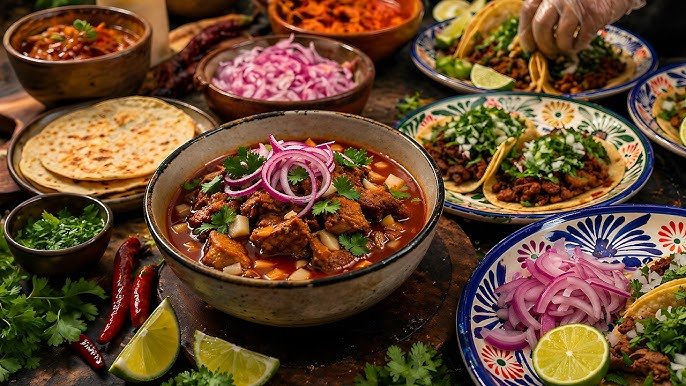
There’s something quietly irresistible about street food. It doesn’t ask for attention with polished menus or expensive interiors. Instead, it pulls you in with the hiss of hot oil, the scent of spices drifting through crowded alleys, and the sight of locals lining up without hesitation. The real secret of street food isn’t just the taste—it’s the story behind each bite, the generations of improvisation, and the way simple ingredients transform into unforgettable flavors.
In many cities, the most remarkable meals aren’t found in restaurants listed in travel guides. They’re tucked between market stalls, hidden behind bus stops, or served from carts that only appear after sunset. These are the places where culinary traditions live unfiltered, where recipes are rarely written down, and where the best dishes are often discovered by accident.
This article explores some of the most fascinating and lesser-known street food experiences from around the world—foods that don’t always make it into mainstream lists but absolutely deserve your attention.
hidden flavors of asia
Asia’s street food culture is vast, layered, and deeply rooted in everyday life. While many travelers know about pad thai or dumplings, there are countless lesser-known dishes that reveal a more authentic side of local cuisine.
One such discovery is a Vietnamese dish called bánh tráng nướng, often described as “Vietnamese pizza.” It’s made by grilling rice paper over charcoal, then layering it with quail eggs, dried shrimp, scallions, and chili sauce. The result is crispy, smoky, and unexpectedly addictive.
In Indonesia, martabak manis is a thick, fluffy pancake folded over generous fillings like chocolate, peanuts, and condensed milk. It’s indulgent, messy, and best eaten fresh off the griddle.
Meanwhile, in Japan, takoyaki stalls often attract crowds, but a lesser-known gem is imagawayaki—small, round cakes filled with red bean paste or custard. Watching them cook in cast-iron molds is part of the experience.
informational table: popular asian street food secrets
| dish name | country | key ingredients | taste profile | best time to eat |
|---|---|---|---|---|
| bánh tráng nướng | vietnam | rice paper, eggs, shrimp | crispy, smoky | evening |
| martabak manis | indonesia | flour, chocolate, peanuts | sweet, rich | night |
| imagawayaki | japan | batter, red bean, custard | soft, mildly sweet | afternoon |
| kathi rolls | india | flatbread, meat, spices | spicy, savory | anytime |
the underrated gems of latin america
Latin American street food thrives on bold flavors and vibrant combinations. Beyond tacos and empanadas, there are countless hidden treasures.
In Colombia, arepas de huevo stand out. These deep-fried corn cakes are split open, filled with an egg, and fried again. The result is crispy on the outside and rich on the inside—a perfect balance of texture and flavor.
Peru offers anticuchos, skewers of marinated meat (often beef heart) grilled over open flames. Despite initial hesitation from some visitors, the taste is smoky, tender, and deeply satisfying.
Mexico’s tlayudas, often overshadowed by tacos, are large, crispy tortillas topped with beans, cheese, meat, and fresh vegetables. They’re sometimes called “Mexican pizza,” but that barely captures their complexity.
informational table: latin american street food breakdown
| dish name | country | cooking method | flavor intensity | uniqueness level |
|---|---|---|---|---|
| arepas de huevo | colombia | deep-fried | high | very high |
| anticuchos | peru | grilled | smoky | high |
| tlayudas | mexico | toasted | layered | medium |
| pupusas | el salvador | griddled | comforting | high |
african street food you’ve probably never heard of
African street food often remains underrepresented globally, yet it offers some of the most diverse and flavorful dishes.
In Nigeria, suya is a must-try. Thin slices of beef are coated in a spicy peanut-based seasoning and grilled over open flames. It’s smoky, spicy, and usually served with onions and tomatoes.
Ethiopia’s sambusas, similar to samosas, are filled with lentils or meat and fried until golden. They’re often served with spicy dipping sauces that elevate the entire experience.
In South Africa, bunny chow is both unique and practical—a hollowed-out loaf of bread filled with curry. Originally created as a portable meal, it has become a beloved street food staple.
simple chart: flavor profiles across african street foods
| food item | spice level | texture | main protein |
|---|---|---|---|
| suya | high | tender, smoky | beef |
| sambusas | medium | crispy | lentils/meat |
| bunny chow | medium | soft + saucy | chicken/lamb |
europe’s hidden street food culture
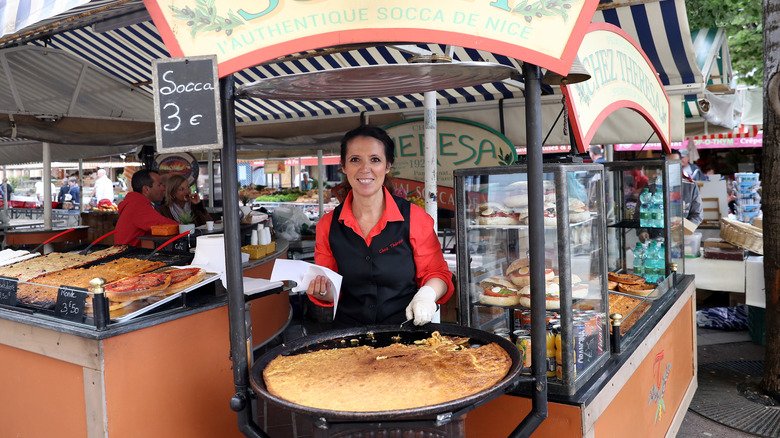
Europe might be known for fine dining, but its street food scene is equally compelling if you know where to look.
In Hungary, lángos is a deep-fried flatbread topped with sour cream, cheese, and garlic. It’s rich, comforting, and perfect for cold days.
Germany offers currywurst, a sliced sausage topped with curry ketchup and spices. It’s simple yet incredibly satisfying.
In Turkey, kokoreç—seasoned lamb intestines grilled and served in bread—is a bold choice but one that locals swear by.
unexpected middle eastern street food delights
The Middle East is often associated with shawarma and falafel, but there’s much more to explore.
In Iran, ash reshteh is a thick noodle soup sold by street vendors, packed with herbs, beans, and tangy flavors.
Lebanon’s manakish, a flatbread topped with za’atar or cheese, is often eaten for breakfast and pairs perfectly with tea.
Egypt’s koshari is a carb-lover’s dream—rice, lentils, pasta, and chickpeas topped with tomato sauce and crispy onions.
table: middle eastern comfort street foods
| dish | main base | toppings/sauce | comfort level |
|---|---|---|---|
| ash reshteh | noodles | herbs, beans | very high |
| manakish | flatbread | za’atar, cheese | high |
| koshari | rice + pasta | tomato sauce, onions | extreme |
why street food tastes better than restaurant food
There’s a reason street food often leaves a stronger impression than restaurant meals. It’s not just about flavor—it’s about context.
Street vendors typically specialize in one or two dishes, perfecting them over years or even decades. This focus results in consistency and mastery that’s hard to replicate in larger kitchens.
Ingredients are often fresher because they’re used quickly. There’s little room for storage, which means higher turnover and better quality.
Another factor is immediacy. Food is cooked right in front of you, served hot, and eaten instantly. There’s no delay, no plating ceremony—just pure, direct enjoyment.
how to discover secret street food spots
Finding these hidden gems isn’t always straightforward. They rarely appear on maps or review platforms.
One of the best strategies is observation. Look for places where locals gather, especially during odd hours. A crowded stall is almost always a good sign.
Another approach is curiosity. Walk into side streets, explore markets, and don’t hesitate to try something unfamiliar.
Talking to locals can also lead to incredible discoveries. Taxi drivers, shopkeepers, and students often know the best spots that tourists miss.
quick guide: spotting authentic street food
| sign | meaning |
|---|---|
| long local queues | high quality, trusted |
| limited menu | specialization |
| fast turnover | fresh ingredients |
| simple setup | focus on food, not aesthetics |
the emotional connection of street food
Street food isn’t just about eating—it’s about connection. It connects you to a place, its people, and its rhythms.
Every dish carries a story, whether it’s a family recipe passed down through generations or a creative adaptation born out of necessity.
When you eat street food, you’re participating in a cultural exchange. You’re experiencing a slice of daily life that no guidebook can fully capture.
frequently asked questions
- is street food safe to eat?
Street food can be very safe if you choose vendors with high turnover, visible cleanliness, and freshly cooked items. Avoid anything that looks like it’s been sitting out too long. - how do i find the best street food in a new city?
Follow the locals. Busy stalls with long lines are usually reliable indicators of quality and taste. - what should i avoid when trying street food?
Avoid raw or undercooked items if you’re unsure about hygiene standards. Also, be cautious with water-based drinks unless they’re bottled. - is street food cheaper than restaurant food?
In most cases, yes. Street food is typically more affordable while still offering incredible flavors. - can vegetarians enjoy street food?
Absolutely. Many regions offer plant-based street food options, such as lentil dishes, vegetable fritters, and flatbreads. - why is street food so popular worldwide?
It’s accessible, flavorful, and deeply tied to local culture. It offers an authentic experience that goes beyond traditional dining.
closing thoughts
Street food is one of the most honest forms of cooking. It doesn’t rely on presentation or prestige—it relies on flavor, tradition, and connection. The real magic lies in the unexpected discoveries: a dish you’ve never heard of, a vendor you stumble upon, a flavor that stays with you long after the journey ends.
If you’re willing to explore beyond the obvious, you’ll find that the world’s best meals often come from the simplest places. And once you start noticing them, you’ll realize they were never hidden—you just needed to know where to look.