
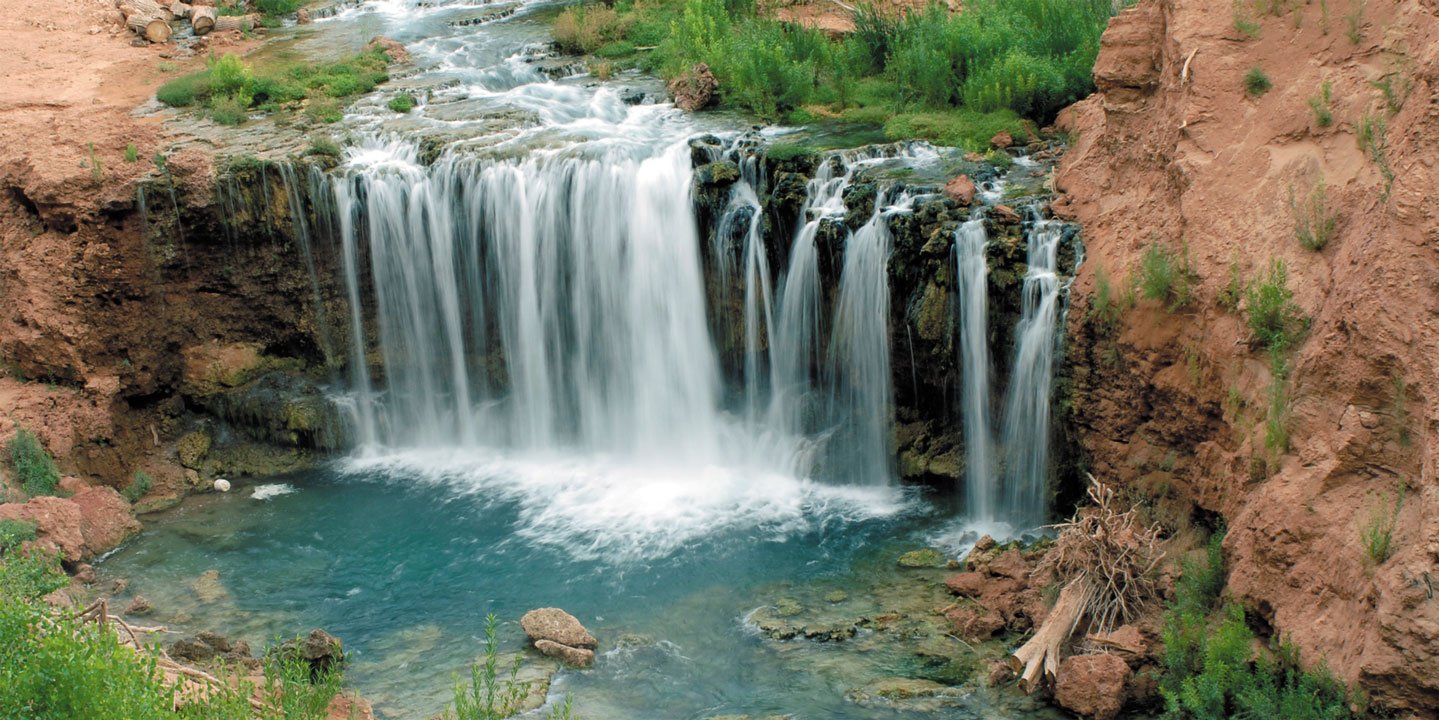
There are moments when the noise of everyday life becomes too loud to ignore. Notifications stack up, conversations blur into background static, and even rest starts to feel like another task. In those moments, nature doesn’t just offer an escape—it offers a reset. Not the kind that temporarily distracts, but one that quietly rearranges your thoughts, slows your breathing, and restores a sense of clarity that feels almost forgotten.
Across the world, there are places where this reset happens naturally. They aren’t always famous or crowded; often, they exist in quiet corners—where mountains hold onto clouds, rivers carve stories into stone, and forests breathe in rhythms older than human memory. These scenic discoveries are not just visually beautiful; they are emotionally transformative.
This article explores powerful scenic nature discoveries that have the ability to reset the mind and body. Along the way, you’ll find practical insights, structured tables, and thoughtful breakdowns to help you understand why these places matter—and how to experience them more deeply.
understanding what a “calm reset” really means
Before diving into specific landscapes, it helps to define what a calm reset actually is. It’s not simply relaxation. Relaxation can be passive—watching something, lying down, zoning out. A calm reset is active in a subtle way. It involves reconnecting with sensory experiences: sound, texture, light, and movement.
A calm reset typically includes:
- reduced mental clutter
- slower breathing patterns
- heightened awareness of surroundings
- emotional grounding
Nature provides the ideal environment for this because it removes artificial stimulation and replaces it with organic rhythms.
the science behind nature’s calming effect

There is growing evidence that natural environments directly affect human physiology. Exposure to greenery, water, and open landscapes reduces cortisol levels, lowers heart rate, and improves mood.
Below is a simplified comparison of environmental impact on stress levels:
environment type | average stress reduction | sensory stimulation type | mental clarity impact
urban city center | low (10–15%) | high artificial noise | decreased
indoor office | moderate (20–25%) | repetitive artificial light | neutral
park or green space | high (40–50%) | natural visuals + sounds | improved
remote natural setting | very high (60–70%) | immersive natural input | significantly improved
The more immersive the environment, the deeper the reset.
mountain escapes: stillness at elevation
Mountains offer a unique kind of calm. Unlike beaches or forests, they introduce a sense of scale that reshapes perspective. When you stand at elevation, everyday worries often feel smaller—not because they disappear, but because they are no longer the only thing in your field of vision.
Key elements that make mountains powerful for reset:
- thinner air encourages slower breathing
- panoramic views reduce mental fixation
- natural silence broken only by wind
best times to visit mountains for calm:
season | experience type | crowd level | emotional effect
spring | blooming valleys | moderate | refreshing
summer | clear skies | high | energizing
autumn | color transitions | low | grounding
winter | snow silence | very low | deeply calming
Practical tip: early morning hikes provide the strongest reset due to minimal human activity and softer light.
coastal serenity: the rhythm of water

There is something deeply regulating about the ocean. Waves move in predictable cycles, creating a natural rhythm that the brain begins to mirror. This is one of the reasons why people often feel calmer near water.
What makes coastal environments powerful:
- repetitive wave sounds reduce anxiety
- open horizons expand visual perception
- negative ions in sea air may improve mood
types of coastal experiences:
coast type | defining feature | best for
rocky cliffs | dramatic views | introspection
sandy beaches | soft terrain | relaxation
hidden coves | privacy | solitude
tropical shores | warm water | sensory comfort
A simple practice: sit quietly and match your breathing to the rhythm of waves for 5–10 minutes. This often produces immediate calming effects.
forest immersion: nature’s quiet therapy
Forests provide a different kind of reset—one that is immersive rather than expansive. Instead of wide views, forests surround you. They absorb sound, filter light, and create a cocoon-like environment.
Benefits of forest immersion:
- reduced mental fatigue
- improved concentration
- emotional stability
forest sensory breakdown:
sense | natural input | effect
sight | filtered green light | eye relaxation
sound | rustling leaves | mental quieting
smell | organic earth scents | grounding
touch | textured bark/soil | sensory awareness
Spending even one hour in a dense forest can significantly improve mood and focus.
desert landscapes: minimalism and clarity
Deserts are often overlooked, but they offer one of the most profound resets. Their simplicity removes distractions. With fewer visual elements, the mind has less to process, allowing clarity to emerge.
Desert characteristics:
- vast open spaces
- minimal noise
- strong light contrast
mental effects of desert environments:
feature | psychological impact
open horizon | expanded thinking
silence | deep introspection
monotone colors | reduced overstimulation
Deserts are best experienced during sunrise or sunset when temperatures are moderate and lighting is softer.
waterfalls and rivers: motion as meditation
Flowing water introduces dynamic calm. Unlike the stillness of mountains or forests, rivers and waterfalls provide movement that is continuous and soothing.
Why flowing water works:
- consistent sound masks intrusive thoughts
- visual motion draws attention gently
- proximity to water enhances sensory engagement
comparison of water features:
type | sound intensity | visual impact | reset strength
small stream | low | subtle | moderate
river | medium | steady flow | high
waterfall | high | dramatic | very high
Sitting near a waterfall can feel overwhelming at first, but after a few minutes, the mind often settles into its rhythm.
hidden valleys: the balance of all elements
Some of the most powerful resets occur in places where multiple natural elements converge—valleys surrounded by mountains, rivers flowing through forests, or meadows beneath cliffs.
These environments provide:
- visual diversity
- layered sensory experiences
- balanced stimulation
ideal valley experience includes:
- walking through open meadows
- resting near water
- observing changing light across terrain
Such places often feel “complete,” offering both stillness and movement.
how to choose the right scenic environment for you
Not every environment works the same way for every person. Choosing the right setting depends on your current mental state.
mental state | recommended environment
overwhelmed | forest or desert
restless | coastal or river setting
disconnected | mountain or valley
fatigued | park or light forest
Matching your internal state with the right external environment increases the effectiveness of the reset.
practical guide to experiencing a true reset
Simply being in nature isn’t enough. The way you engage with it matters.
steps for a deeper experience:
- disconnect from devices
- slow your walking pace
- focus on one sense at a time
- allow silence without distraction
time vs reset effectiveness:
time spent | expected impact
15 minutes | slight calm
30 minutes | noticeable relaxation
1 hour | mental clarity
2+ hours | deep reset
Consistency matters more than duration. Regular short visits can be more effective than rare long trips.
chart: sensory engagement vs mental clarity
Below is a conceptual chart illustrating how sensory engagement affects mental clarity:
sensory engagement level | example environment | clarity outcome
low | indoor setting | minimal
moderate | urban park | improved
high | forest trail | strong
very high | remote wilderness | transformative
The goal is not overstimulation, but balanced natural input.
the role of solitude in nature
Solitude amplifies the reset experience. When alone, there are fewer external expectations and distractions. However, solitude doesn’t mean isolation—it means intentional quiet.
benefits of solitude:
- increased self-awareness
- emotional processing
- mental clarity
If solitude feels uncomfortable at first, start with short durations and gradually increase.
seasonal variations and their impact
Nature changes dramatically with seasons, and each brings a different kind of reset.
season | dominant mood | best environment
spring | renewal | forests, valleys
summer | vitality | beaches, mountains
autumn | reflection | forests, hills
winter | stillness | mountains, deserts
Understanding seasonal energy helps you choose the right time for your visit.
common mistakes to avoid
Even with the best intentions, certain habits can reduce the effectiveness of a nature reset.
mistake | impact
constant phone use | breaks immersion
rushing through location | limits awareness
overplanning | reduces spontaneity
ignoring weather | discomfort distraction
A reset works best when approached with openness rather than rigid expectations.
creating your own local nature reset
You don’t need to travel far to experience the benefits of nature. Even small green spaces can provide meaningful resets.
ideas for local resets:
- early morning park walks
- riverside sitting spots
- quiet garden corners
local vs remote comparison:
type | accessibility | reset strength
local | high | moderate
regional | medium | high
remote | low | very high
The key is consistency rather than distance.
long-term benefits of regular nature exposure
Over time, regular exposure to natural environments can lead to lasting improvements.
long-term effects include:
- reduced anxiety levels
- improved focus
- better emotional balance
frequency vs benefit:
frequency | expected outcome
once a month | temporary relief
once a week | noticeable improvement
daily (short exposure) | sustained calm
final reflection
A calm reset isn’t something you force—it’s something you allow. Nature creates the conditions, but you bring the awareness. Whether it’s the quiet strength of mountains, the rhythmic pull of the ocean, or the soft embrace of a forest, these scenic discoveries remind you of something simple yet powerful: stillness exists, and it’s always within reach.
frequently asked questions
- how long does it take to feel a calm reset in nature?
Most people begin to feel calmer within 20–30 minutes, but deeper effects typically require at least one hour of uninterrupted exposure. - do I need to travel far to experience these benefits?
No. Even local parks or small natural areas can provide noticeable improvements in mood and clarity. - is it better to go alone or with others?
Both have benefits. Solitude enhances introspection, while shared experiences can strengthen emotional connections. - what should I bring for a nature reset trip?
Keep it minimal—water, comfortable clothing, and possibly a notebook. Avoid unnecessary distractions. - can nature really reduce stress scientifically?
Yes. Studies consistently show reductions in cortisol levels, improved mood, and better cognitive function after time spent in natural environments. - which environment is best for beginners?
Parks or light forest trails are ideal starting points. They are accessible and provide a balanced sensory experience without being overwhelming.